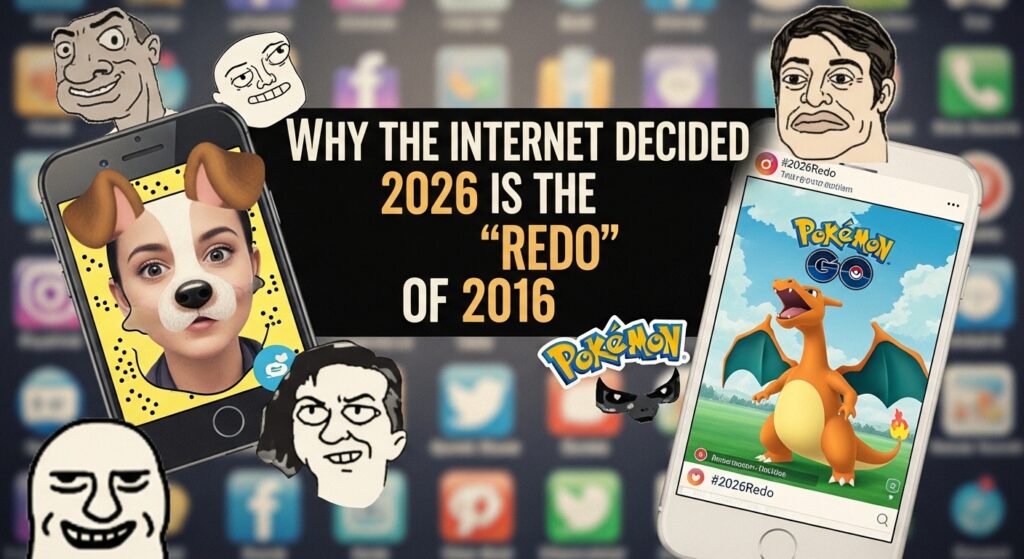
10 Years Later: A decade has passed since 2016, yet something remarkable is happening in 2026: the aesthetic of that year has made a triumphant return. From fashion runways to social media feeds, from interior design to graphic design, the distinctive visual language of 2016 is everywhere. The bright, saturated colors; the playful typography; the filtered, dreamy quality of images; the distinctive fashion elements—all of these have come roaring back into cultural consciousness. This comprehensive article explores why we’re all obsessed with the 2016 aesthetic again, examining the visual elements that defined that era, the reasons for its resurgence, and what this reveals about how aesthetic trends cycle through culture.
Defining the 2016 Aesthetic: Visual Elements and Characteristics
Before exploring why the 2016 aesthetic has made a comeback, it’s essential to understand what exactly defines this aesthetic.
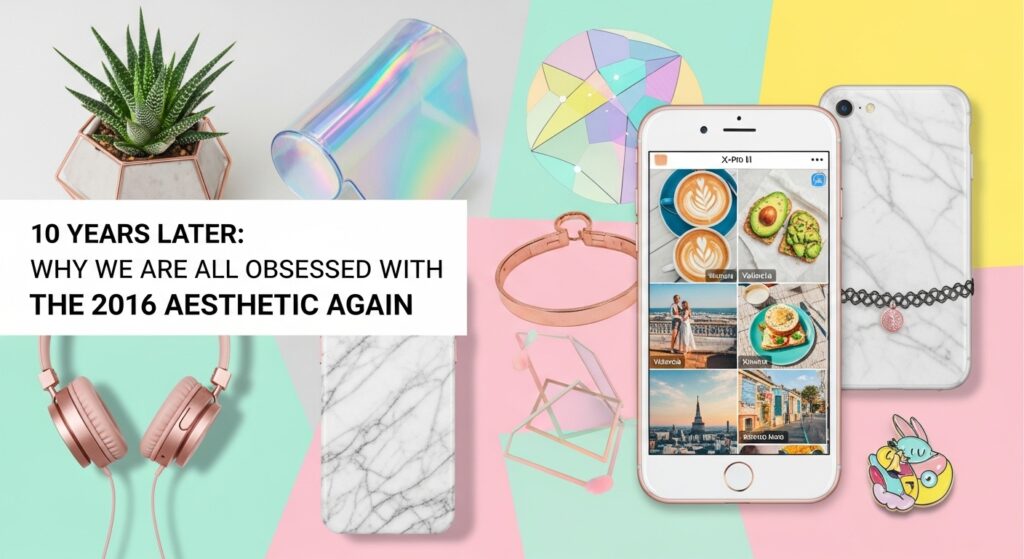
Color Palette:
The 2016 aesthetic is characterized by bright, saturated, almost oversaturated colors. Millennial pink (a specific shade of pink that became iconic in 2016), vibrant purples, electric blues, and neon greens dominated the visual landscape. These colors were often used in combination, creating bold, eye-catching color schemes that were distinctly different from the minimalist, muted palettes that would dominate the early 2020s.
Photography and Filters:
The 2016 aesthetic featured heavily filtered photography. Instagram filters like Valencia, Lark, and Ludwig created a distinctive look characterized by warm tones, slight fading, and a dreamy quality. Snapchat filters added playful, whimsical elements to photos. The photography style emphasized personal moments, selfies, and lifestyle content rather than highly curated, professional imagery.
Typography:
Typography in 2016 was bold, playful, and often unconventional. Sans-serif fonts were popular, but they were often used in creative, expressive ways. Hand-lettered fonts, script fonts, and decorative typography were common. The overall approach to typography was less minimalist and more expressive than contemporary design trends.
Fashion Elements:
The 2016 fashion aesthetic included high-waisted jeans, crop tops, chokers, holographic fabrics, and bold patterns. Accessories were statement-making: oversized sunglasses, chunky jewelry, and colorful hair accessories. The overall aesthetic was playful, youthful, and deliberately bold.
Interior Design:
2016 interior design featured bright colors, eclectic patterns, and a mix of vintage and contemporary elements. Millennial pink walls, geometric patterns, and bold artwork were common. The aesthetic rejected the minimalism that had dominated design in the early 2010s, instead embracing maximalism and personal expression.
Social Media Presentation:
On social media, the 2016 aesthetic emphasized personal sharing, authenticity (or at least the appearance of authenticity), and playful self-expression. Captions were often witty and self-deprecating. Images were heavily edited and filtered. The overall tone was lighthearted and fun.
The Aesthetic Journey: From 2016 to 2026
To understand why the 2016 aesthetic has made a comeback in 2026, it’s helpful to trace its journey over the past decade.
2017-2019: Peak Millennial Pink Era
In the years immediately following 2016, the aesthetic continued to evolve but maintained many of its core characteristics. Millennial pink reached its peak popularity during this period, appearing everywhere from fashion to home goods to food. The bright, saturated color palette remained dominant, though it began to shift slightly toward more sophisticated variations.
2020-2022: The Minimalist Pivot
The early 2020s saw a dramatic shift away from the 2016 aesthetic. Minimalism, quiet luxury, and muted color palettes became dominant. This shift was influenced by several factors: the COVID-19 pandemic created a desire for calm and simplicity, social media culture shifted toward more curated and polished content, and there was a general cultural move toward sustainability and “less is more” philosophy.
During this period, the 2016 aesthetic was often viewed as dated, tacky, or “cringe.” The bright colors and playful design elements that had been celebrated in 2016 were now seen as excessive and unsophisticated.
2023-2025: The Shift Begins
By the mid-2020s, subtle shifts began to occur. Gen Z, who had been children or not yet born during the peak of the 2016 aesthetic, began discovering it for the first time. Additionally, there was growing fatigue with the minimalist aesthetic that had dominated the early 2020s. People began to crave color, playfulness, and personal expression again.
2026: Full Aesthetic Revival
In 2026, the 2016 aesthetic has made a full comeback. Fashion designers are incorporating 2016 elements into their collections. Interior designers are embracing color and pattern again. Social media is filled with content celebrating the 2016 aesthetic. The shift has been so complete that what was considered dated just a few years ago is now considered cool and desirable.
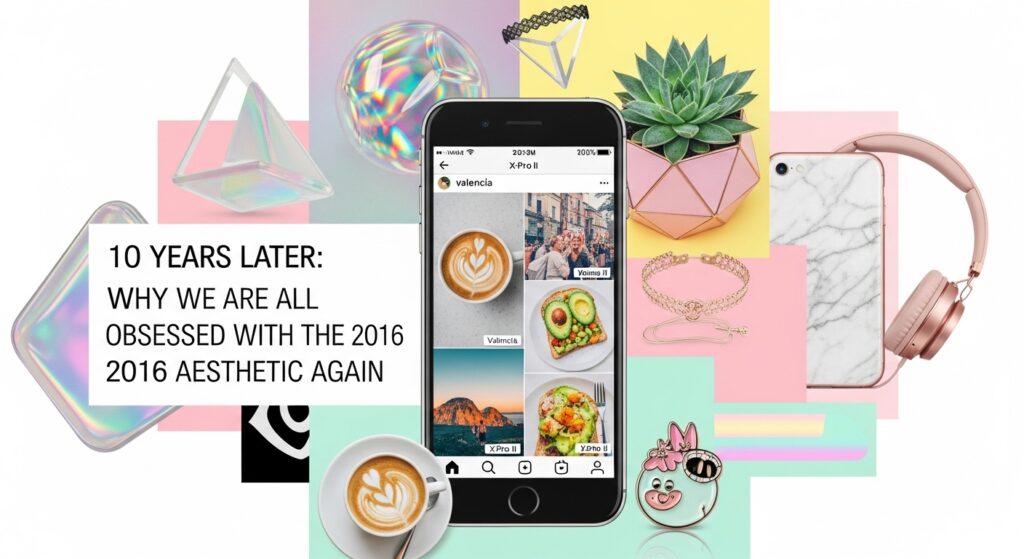
Why the 2016 Aesthetic is Making a Comeback: The Psychological Factors
Several psychological and cultural factors explain why the 2016 aesthetic has made such a dramatic return.
Nostalgia and Comfort:
The 2016 aesthetic represents a simpler time in many people’s minds. For millennials and older Gen Z, 2016 represents a period before the major disruptions of the late 2010s and 2020s. The bright, playful aesthetic evokes a sense of optimism and carefree joy that many people feel nostalgic for. In a world that has felt increasingly heavy and serious, the 2016 aesthetic offers psychological comfort.
Rejection of Minimalism Fatigue:
After nearly a decade of minimalism, quiet luxury, and muted aesthetics, people are experiencing fatigue with these trends. The human brain craves novelty and stimulation, and the minimal aesthetic, while elegant, can feel sterile and emotionally cold. The return to the colorful, expressive 2016 aesthetic represents a psychological rebellion against the austerity of minimalism.
Generational Discovery:
Gen Alpha and younger Gen Z members are discovering the 2016 aesthetic for the first time. For them, it’s not a revival; it’s a discovery. They find the bright colors, playful design, and expressive aesthetic appealing and fresh. This generational discovery has helped drive the aesthetic’s resurgence.
Self-Expression and Individuality:
The 2016 aesthetic emphasizes personal expression and individuality. In an era where social media has become increasingly polished and curated, the playful, slightly messy aesthetic of 2016 appeals to people seeking to express their authentic selves. The bright colors and bold design choices represent a rejection of conformity.
Optimism and Joy:
The 2016 aesthetic is fundamentally optimistic and joyful. The bright colors, playful typography, and lighthearted tone all convey a sense of happiness and positivity. In uncertain times, this aesthetic offers psychological comfort and a visual representation of hope.
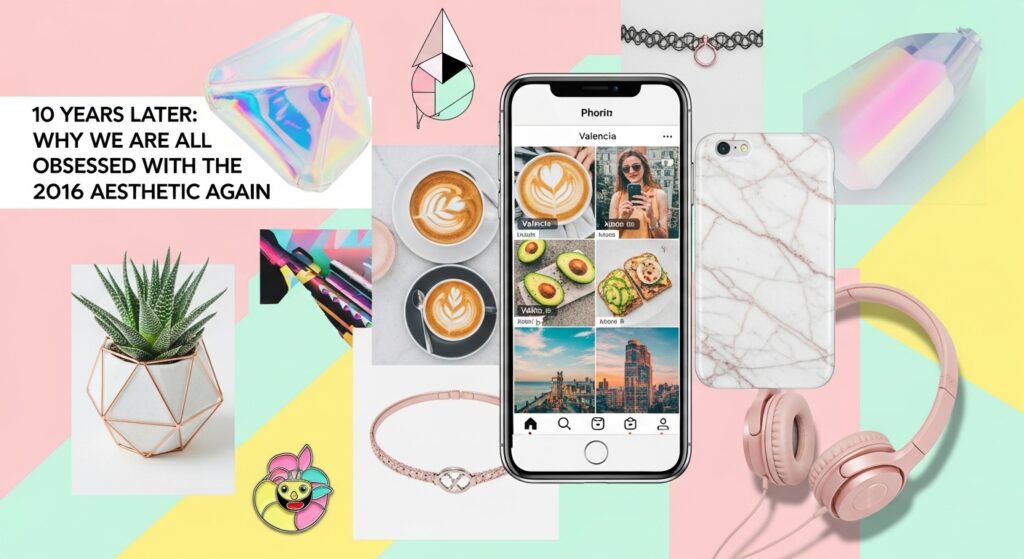
The 2016 Aesthetic in Contemporary Fashion
One of the most visible manifestations of the 2016 aesthetic revival is in fashion.
High Fashion Adoption:
Major fashion designers have incorporated 2016 aesthetic elements into their collections. Bright colors, bold patterns, and playful design elements are appearing on runways. Designers like Gucci, Versace, and emerging designers are celebrating the colorful, expressive approach to fashion that defined 2016.
Streetwear and Casual Fashion:
Beyond high fashion, streetwear and casual fashion are embracing 2016 elements. High-waisted jeans, crop tops, and bold accessories are back in style. Holographic fabrics and iridescent finishes, which were popular in 2016, are appearing again in contemporary fashion.
Influencer Culture:
Fashion influencers on social media are driving the 2016 aesthetic revival by styling outfits that incorporate 2016 elements. These influencers have millions of followers who look to them for style inspiration, amplifying the trend’s reach and influence.
The 2016 Aesthetic in Interior Design and Home Goods
The 2016 aesthetic is also making a significant impact on interior design and home goods.
Color Returns to Interiors:
After years of neutral, minimalist interiors, color is making a comeback. Millennial pink walls, bold wallpapers, and colorful furniture are appearing in homes again. Interior designers are embracing the maximalist approach that characterized 2016 design.
Pattern and Texture:
Geometric patterns, bold prints, and textured materials are returning to interior design. The minimalist rejection of pattern and texture is being replaced with a celebration of visual interest and complexity.
Vintage and Eclectic Mixing:
The 2016 aesthetic’s approach to mixing vintage and contemporary elements is back in favor. Interior designers are combining different styles, eras, and aesthetics in ways that would have been considered chaotic a few years ago but are now celebrated as eclectic and sophisticated.
Home Goods and Accessories:
Retailers are capitalizing on the 2016 aesthetic revival by producing home goods and accessories that reflect the aesthetic. Colorful throw pillows, patterned rugs, and bold artwork are selling well. Brands are reissuing products from the 2016 era, recognizing the demand for these items.
The 2016 Aesthetic on Social Media
Social media is one of the primary drivers and manifestations of the 2016 aesthetic revival.
Filter and Editing Styles:
Instagram filters and photo editing styles from 2016 are making a comeback. The warm, slightly faded look that characterized 2016 photography is being deliberately recreated by users. Snapchat filters, which had fallen out of favor, are being used again ironically and earnestly.
Content Style:
The content style on social media is shifting back toward the playful, personal aesthetic of 2016. Users are sharing more casual, unpolished content. The highly curated, minimalist aesthetic that dominated Instagram in the early 2020s is being replaced with messier, more authentic-seeming content.
Meme and Humor Culture:
The humor and meme culture of 2016 is being revived. Old memes are being remixed and shared. The comedic sensibility of 2016 is being celebrated and recreated.
The 2016 Aesthetic in Graphic Design and Branding
Graphic design and branding are also reflecting the 2016 aesthetic revival.
Bold Typography:
Graphic designers are using bold, expressive typography that echoes 2016 design trends. The minimalist, understated typography that dominated the early 2020s is being replaced with more playful, attention-grabbing type choices.
Bright Color Palettes:
Brand color palettes are becoming brighter and more saturated. The muted, sophisticated palettes of the early 2020s are being replaced with the vibrant colors that characterized 2016.
Playful Design Elements:
Graphic design is becoming more playful and less serious. Decorative elements, illustrations, and whimsical design choices are returning. The austere minimalism of recent years is giving way to a more expressive, joyful approach to design.
The Cultural Significance of the 2016 Aesthetic Revival
The revival of the 2016 aesthetic has broader cultural significance beyond just visual trends.
Rejection of Austerity:
The 2016 aesthetic revival represents a cultural rejection of the austerity and minimalism that dominated the early 2020s. It signals a desire for abundance, joy, and self-expression rather than restraint and simplicity.
Generational Identity:
The 2016 aesthetic is becoming a marker of generational identity. For millennials and older Gen Z, it represents their formative years. For younger Gen Z and Gen Alpha, it represents a discovery of a past era that feels fresh and new.
Cyclical Nature of Aesthetics:
The 2016 aesthetic revival demonstrates the cyclical nature of aesthetic trends. Trends that are considered dated and uncool eventually become cool again as new generations discover them and as existing generations experience nostalgia for them.
Democratization of Design:
The 2016 aesthetic, with its emphasis on personal expression and playfulness, represents a democratization of design. It rejects the idea that “good design” must be minimalist and expensive. Instead, it celebrates the idea that anyone can create beautiful, expressive design.
The Future of the 2016 Aesthetic
As the 2016 aesthetic continues to gain momentum in 2026, questions arise about its future trajectory.
Longevity:
How long will the 2016 aesthetic remain popular? Will it continue to dominate through the rest of the 2020s, or will it fade as new trends emerge? Based on historical patterns, the aesthetic will likely remain popular for several more years before gradually being replaced by new trends.
Evolution and Adaptation:
The 2016 aesthetic will likely evolve and adapt as it continues to be popular. Contemporary designers and creators will add their own interpretations and innovations, creating a new version of the aesthetic that builds on but differs from the original 2016 aesthetic.
Integration with Contemporary Trends:
The 2016 aesthetic will likely integrate with contemporary trends, creating hybrid aesthetics that combine elements of 2016 with current design sensibilities. This process of integration and evolution is how aesthetic trends typically develop.
Conclusion: The Return of Joy and Expression
The revival of the 2016 aesthetic in 2026 represents more than just a cyclical return to past trends. It represents a cultural shift toward joy, color, and self-expression. After years of minimalism and restraint, people are craving the playful, optimistic aesthetic that defined 2016.
This revival demonstrates the cyclical nature of aesthetic trends and the importance of nostalgia in shaping cultural preferences. It also reveals something important about human psychology: we need color, playfulness, and joy in our visual environment. The minimalist aesthetic of the early 2020s, while elegant and sophisticated, left many people feeling emotionally cold and visually understimulated.
The 2016 aesthetic, with its bright colors, playful design, and emphasis on personal expression, offers something that minimalism cannot: joy. As we move forward in 2026 and beyond, expect the 2016 aesthetic to continue influencing fashion, design, and visual culture. The return of the 2016 aesthetic is not just a trend; it’s a cultural statement about what we value and what we need to feel happy and fulfilled.
Quick Reference: 2016 Aesthetic Elements
| Element | Characteristics | Where It’s Appearing in 2026 |
|---|---|---|
| Color Palette | Millennial pink, bright saturated colors | Fashion, interiors, branding |
| Photography | Warm filters, dreamy quality | Social media, advertising |
| Typography | Bold, playful, expressive | Graphic design, branding |
| Fashion | High-waisted jeans, crop tops, chokers | Runways, streetwear |
| Interior Design | Maximalism, bold patterns, color | Home goods, designer collections |
| Accessories | Statement pieces, holographic items | Fashion, personal styling |
| Social Media | Personal, playful, filtered content | Instagram, TikTok, Snapchat |
| Overall Tone | Optimistic, joyful, self-expressive | All visual media |