
The State of the Union address is one of the most important and widely anticipated events on the American political calendar. Each year, the President of the United States delivers this address to Congress and the nation, outlining the administration’s priorities, accomplishments, and vision for the future. If you’re wondering “What time is the State of the Union address tonight?” this comprehensive guide provides all the information you need to tune in and watch this historic event.
Understanding the State of the Union Address
What is the State of the Union?
The State of the Union address is an annual message delivered by the President of the United States to a joint session of Congress. The address provides an overview of the nation’s current condition and outlines the President’s legislative agenda for the coming year. It’s one of the most significant political events in the American calendar and is watched by millions of people worldwide.
Constitutional Basis:
The State of the Union address is mandated by the Constitution. Article II, Section 3 of the U.S. Constitution requires the President to “give to the Congress Information of the State of the Union, and recommend to their Consideration such Measures as he shall judge necessary and expedient.”
Historical Significance:
The State of the Union address has a long and important history in American politics. From George Washington’s first address to contemporary addresses, this annual message has shaped policy discussions and reflected the priorities of different administrations throughout American history.
Modern Importance:
In contemporary politics, the State of the Union address is a major media event. The address is broadcast live on all major television networks and streamed online. Millions of Americans tune in to watch the President’s address and to hear about the administration’s plans and priorities.
When is the State of the Union Address Typically Held?
Traditional Timing:
Historically, the State of the Union address has typically been held in January or February. This timing allows the President to outline priorities for the legislative year ahead. The exact date varies from year to year and depends on several factors, including the President’s schedule and congressional availability.
Time of Day:
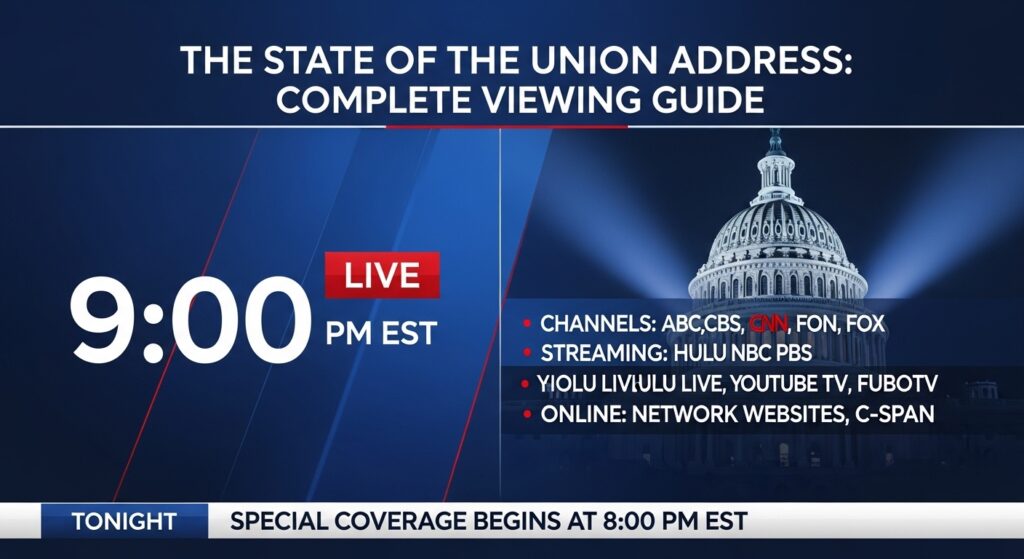
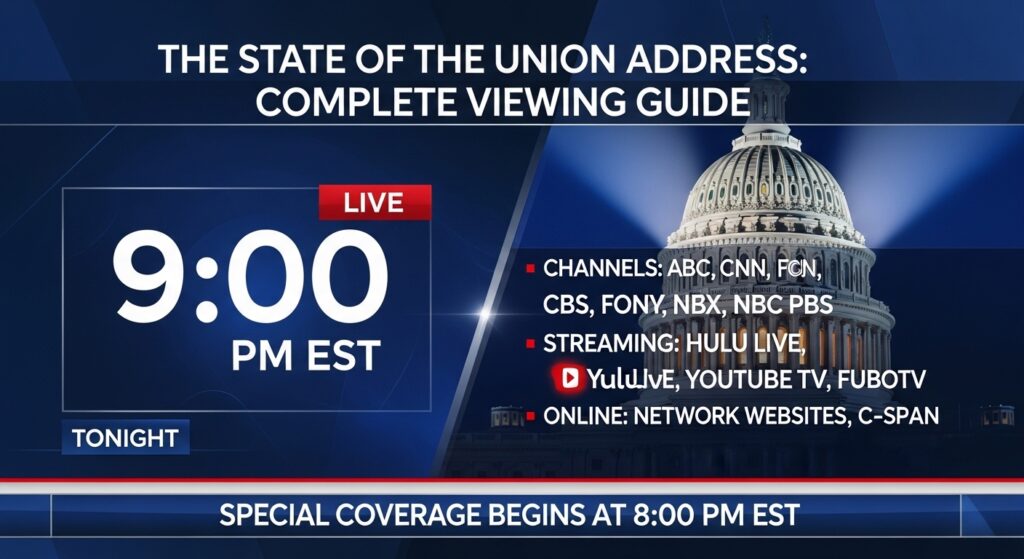
The State of the Union address is typically held in the evening, usually beginning at 9:00 PM Eastern Time. This evening timing allows for maximum viewership, as it occurs after the workday ends and when most Americans are at home and available to watch.
Duration:
The State of the Union address typically lasts between 45 minutes and 90 minutes, depending on the length of the President’s remarks and the number of standing ovations and applause from Congress. Recent addresses have typically lasted around 60-70 minutes.
Congressional Procedures:
Before the President delivers the address, there are various congressional procedures and protocols that must be followed. The President is formally announced, and there are various ceremonial elements that precede the actual address.
How to Find Out the Exact Time
Official Sources:
The most reliable way to find out the exact time of the State of the Union address is to check official government sources. The White House website provides information about the timing of the address, as does the House of Representatives website and the Senate website.
Media Announcements:
Major news organizations typically announce the time of the State of the Union address well in advance. Cable news networks like CNN, Fox News, and MSNBC provide extensive coverage and announce the timing prominently.
Social Media:
The President’s official social media accounts and the White House social media accounts typically announce the timing of the address. Following these accounts ensures you’ll receive timely notifications about the address.
Calendar Reminders:
Many people set calendar reminders on their phones or computers to ensure they don’t miss the address. This is a practical way to keep track of the exact time, especially if you’re busy with other activities.
Where to Watch the State of the Union Address
Television Networks:
The State of the Union address is broadcast live on all major television networks, including ABC, CBS, NBC, CNN, Fox News, and MSNBC. Each network provides its own coverage and analysis of the address.
Streaming Services:
The address is also streamed online on various platforms. The White House website streams the address live, as do major news organizations’ websites and apps. YouTube also typically features live streams of the address from various news organizations.
Cable and Satellite:
If you have cable or satellite television, you can watch the address on any of the major news networks. Most cable and satellite providers carry these networks as part of their standard packages.
Radio:
For those who prefer audio, the State of the Union address is also broadcast on radio. NPR and other radio networks provide live coverage of the address.
International Coverage:
The State of the Union address is also covered by international news organizations, making it accessible to viewers around the world. BBC, Reuters, and other international news outlets provide coverage and analysis.
Preparing to Watch the State of the Union Address
Planning Ahead:
If you plan to watch the State of the Union address, it’s a good idea to plan ahead. Clear your schedule for the evening, ensure you have a comfortable viewing space, and make sure your television or internet connection is working properly.
Understanding the Context:
Before watching the address, it can be helpful to understand the current political context and the issues the President is likely to address. Reading news articles and background information about current events can help you better understand the address.
Gathering Information:
Various news organizations provide guides and primers about what to expect from the State of the Union address. These guides often outline the key issues the President is expected to address and provide background information to help viewers understand the address.
Social Media Discussion:
Many people enjoy discussing the State of the Union address on social media as it’s happening. Following relevant hashtags and accounts can enhance your viewing experience by allowing you to see real-time reactions and analysis.
What to Expect During the State of the Union Address
Opening Ceremonies:
The State of the Union address begins with various ceremonial elements. The President is formally announced, and there are various traditional protocols that are followed. These opening ceremonies set the tone for the address.
The Address Itself:
The President delivers remarks outlining the state of the nation and the administration’s priorities. The address typically covers topics such as the economy, national security, healthcare, education, and other key policy areas.
Congressional Reactions:
Throughout the address, members of Congress react to the President’s remarks. Standing ovations, applause, and sometimes critical silence punctuate different parts of the address. These reactions provide insight into how Congress views the President’s proposals.
Response Addresses:
After the President’s address, the opposition party typically delivers a response address. This response provides the opposing party’s perspective on the President’s remarks and outlines their alternative vision for the nation.
Historical State of the Union Timing
Evolution of Timing:
The timing of the State of the Union address has evolved over time. Early Presidents delivered the address in person to Congress, but some Presidents chose to submit written messages instead. In recent decades, the address has typically been delivered in person in the evening.
Notable Addresses:
Certain State of the Union addresses have been particularly memorable or significant. These include addresses delivered during times of national crisis, such as President Franklin D. Roosevelt’s address following the attack on Pearl Harbor, or addresses that outlined major policy initiatives.
Television Era:
The television era has significantly impacted the State of the Union address. The timing has been adjusted to accommodate television viewership, and the address has become a major media event with extensive pre- and post-address analysis.
Making the Most of Your Viewing Experience
Multi-Platform Viewing:
Many people watch the State of the Union address on multiple platforms simultaneously. They might watch the television broadcast while also following social media commentary or reading live fact-checks from news organizations.
Recording for Later:
If you can’t watch the address live, most networks and streaming services allow you to record or watch the address later. This flexibility allows you to watch at a time that’s convenient for you.
Fact-Checking:
Many news organizations provide real-time fact-checking during the State of the Union address. These fact-checks help viewers verify the accuracy of claims made during the address.
Analysis and Commentary:
After the address concludes, extensive analysis and commentary are provided by news organizations and political experts. These analyses can help you understand the significance of the address and its potential impact on policy and politics.
Frequently Asked Questions About the State of the Union Address
How Often is the State of the Union Delivered?
The State of the Union address is typically delivered annually, usually in January or February. However, the President can choose to deliver the address at any time, and some Presidents have delivered multiple addresses in a single year.
Is the State of the Union Address Always in Person?
Historically, some Presidents have submitted written messages instead of delivering the address in person. However, in recent decades, Presidents have typically delivered the address in person to Congress.
Can I Attend the State of the Union Address in Person?
The State of the Union address is held in the House Chamber in the U.S. Capitol. Attendance is limited to members of Congress, their guests, and other government officials. Members of the general public cannot attend in person, but can watch the broadcast.
How Long Does the State of the Union Address Last?
The address typically lasts between 45 and 90 minutes, depending on the length of the President’s remarks and the number of standing ovations and applause.
What Happens After the State of the Union Address?
After the President’s address, the opposition party typically delivers a response. Additionally, news organizations provide extensive analysis and commentary about the address.
Conclusion: Don’t Miss the State of the Union Address
The State of the Union address is an important event in the American political calendar. If you’re wondering “What time is the State of the Union address tonight?” the answer depends on the specific year and the President’s schedule, but it’s typically held at 9:00 PM Eastern Time in January or February.
To ensure you don’t miss the address, check official government sources or major news organizations for the exact timing. The address will be broadcast on all major television networks and streamed online, making it accessible to everyone who wants to watch.
Whether you’re a political enthusiast, a casual observer, or someone interested in understanding the current direction of the nation, the State of the Union address provides valuable insight into the President’s priorities and vision for the country. Make sure you have the correct time, clear your schedule, and prepare to watch this important event.
By following the guidance in this article, you’ll be well-prepared to watch the State of the Union address and to understand its significance in American politics and governance.
Quick Reference: State of the Union Address Information
| Aspect | Information |
|---|---|
| Typical Time | 9:00 PM Eastern Time |
| Typical Month | January or February |
| Duration | 45-90 minutes |
| Where to Watch | Television networks, streaming services, White House website |
| Official Sources | WhiteHouse.gov, House.gov, Senate.gov |
| Constitutional Requirement | Yes, Article II, Section 3 |
| Frequency | Typically annual |
| Opposition Response | Usually follows the President’s address |
| Viewership | Millions of Americans and international viewers |
Additional Resources for State of the Union Coverage
News Organization Guides:
Major news organizations publish comprehensive guides to the State of the Union address. These guides typically include information about the timing, where to watch, what to expect, and background information about current issues. CNN, Fox News, MSNBC, and other networks all provide these guides on their websites.
Educational Resources:
For those interested in learning more about the State of the Union address, various educational resources are available. The House of Representatives website and the Senate website both provide historical information about past addresses and explanations of the process.
Live Fact-Checking:
During the State of the Union address, multiple news organizations provide live fact-checking of claims made by the President. These fact-checks are published in real-time and help viewers verify the accuracy of statements made during the address.
Post-Address Analysis:
After the address concludes, extensive analysis is provided by political experts, commentators, and news organizations. This analysis helps viewers understand the significance of the address and its potential impact on policy and politics.
Tips for First-Time Viewers
Arrive Early:
If you’re watching on television, arrive early to see the pre-address coverage. News organizations typically begin their coverage well before the address starts, providing background information and analysis.
Have Snacks Ready:
Since the address can last 60-90 minutes, having snacks and drinks available can make your viewing experience more comfortable.
Minimize Distractions:
To fully appreciate the address, minimize distractions. Turn off your phone notifications, close unnecessary browser tabs, and create a quiet viewing environment.
Take Notes:
If you’re interested in the details of the address, consider taking notes about key points and proposals mentioned by the President. This can help you remember important information and facilitate discussion afterward.
Engage with Others:
Consider watching with friends or family members, or engage with others on social media during the address. Discussing the address with others can enhance your understanding and enjoyment of the event.
The Importance of Civic Engagement
Understanding Government:
Watching the State of the Union address is an excellent way to understand how government works and what the current administration’s priorities are. It provides insight into the legislative agenda and the President’s vision for the nation.
Informed Citizenship:
Engaged citizens who stay informed about political events like the State of the Union address are better equipped to participate in democracy. By watching and understanding the address, you’re taking an active role in being an informed citizen.
Participating in Democracy:
The State of the Union address is a public event designed to inform citizens about the state of the nation. By watching and engaging with the address, you’re participating in the democratic process.
Future Engagement:
Watching the State of the Union address can inspire you to become more engaged with politics and current events. It can motivate you to learn more about specific issues, contact your representatives, or participate in the political process in other ways.