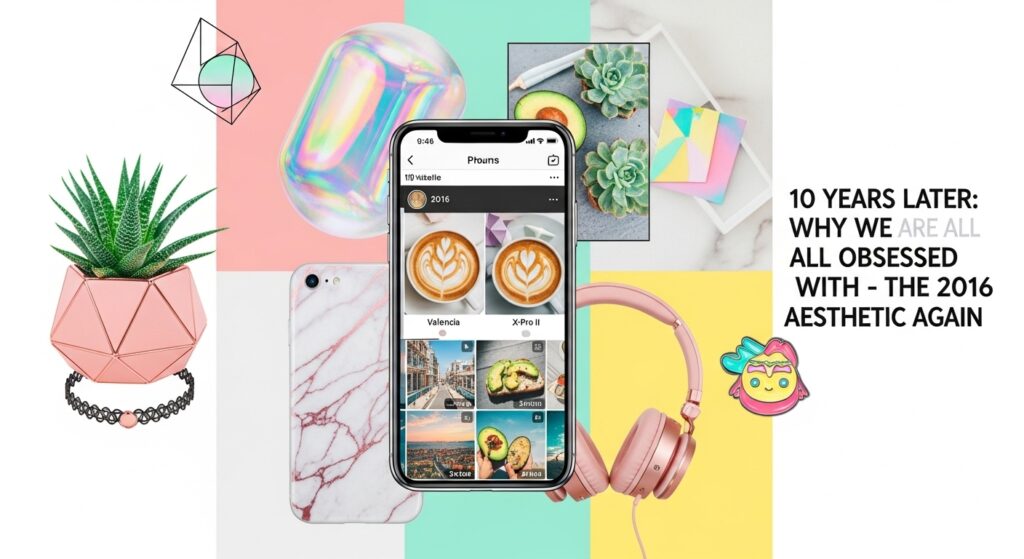
The internet has a peculiar way of processing cultural trends, and in 2026, a fascinating phenomenon has emerged: the collective decision that this year is essentially a “redo” of 2016. From the resurgence of Snapchat filters to the unexpected revival of Pokémon GO, the cultural landscape of 2026 bears striking similarities to the year 2016. This comprehensive article explores why the internet has decided that 2026 is the “redo” of 2016, examining the nostalgia cycle, the return of forgotten technologies, and what this reveals about internet culture and generational memory.
The Year 2016: A Cultural Snapshot
To understand why 2026 is being called the “redo” of 2016, we must first understand what made 2016 such a distinctive year in internet and pop culture history.
The Cultural Landscape of 2016:
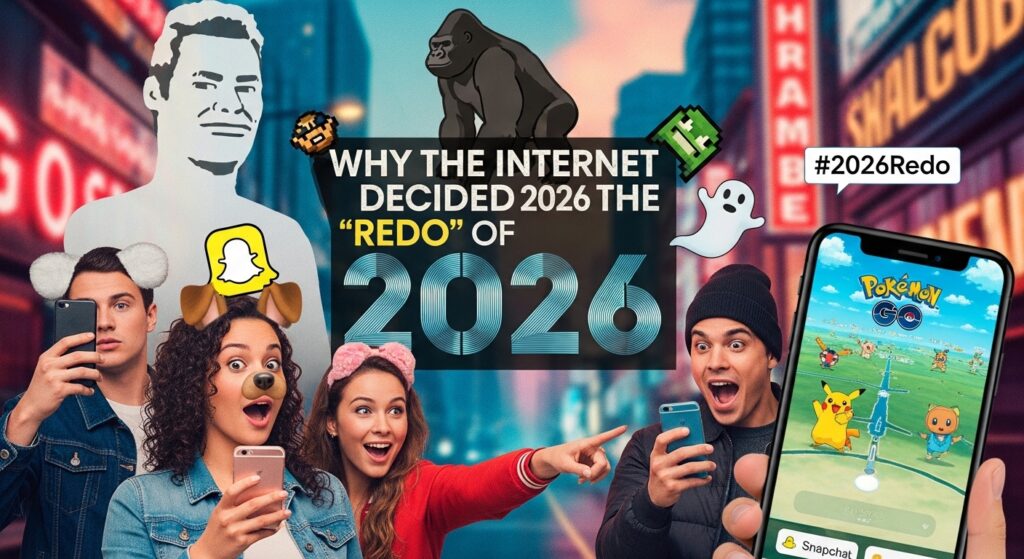
2016 was a year of unprecedented internet virality and cultural phenomena. It was the year of Harambe, the year of the “Damn, Daniel” meme, the year of the “Mannequin Challenge,” and the year that Snapchat filters became a ubiquitous part of internet culture. It was also the year that Pokémon GO launched and took the world by storm, with millions of people walking around their neighborhoods hunting virtual creatures.
Snapchat Filters in 2016:
Snapchat filters, introduced in 2015 but reaching peak popularity in 2016, became a cultural phenomenon. The dog filter, the flower crown filter, and countless other creative filters became synonymous with Snapchat and social media culture. These filters represented a new form of self-expression and entertainment that captivated millions of users, particularly younger demographics.
Pokémon GO’s Cultural Impact:
Pokémon GO launched in July 2016 and became an instant sensation. The augmented reality game encouraged people to go outside, explore their neighborhoods, and catch virtual Pokémon. The game’s cultural impact was immense, with millions of people participating in the phenomenon, creating a shared cultural experience that transcended typical gaming demographics.
Other 2016 Phenomena:
Beyond Snapchat filters and Pokémon GO, 2016 was characterized by other distinctive cultural moments: the rise of meme culture, the prevalence of selfie culture, the “Netflix and chill” phenomenon, and the general sense of internet-driven entertainment and social sharing.
The Nostalgia Cycle: Understanding Internet Memory
To understand why 2026 is being called the “redo” of 2016, it’s important to understand how nostalgia operates on the internet and in popular culture.
The 10-Year Nostalgia Cycle:
Cultural historians have observed that nostalgia typically operates on a 10-year cycle. Trends and cultural phenomena from 10 years ago begin to feel “retro” and nostalgic, making them ripe for revival. This cycle explains why 1990s fashion and culture became popular in the 2000s, why 2000s culture became trendy in the 2010s, and why 2010s culture is now being revived in the 2020s.
Generational Nostalgia:
The 10-year gap also corresponds to generational shifts. Gen Z, who were children or not yet born in 2016, are now old enough to experience nostalgia for that era. Meanwhile, millennials who lived through 2016 as young adults now find themselves nostalgic for that period.
The Role of Social Media:
Social media platforms have accelerated and amplified the nostalgia cycle. Algorithms that promote trending content, combined with the ease of sharing and remixing old content, have made it easier for nostalgic trends to resurface and gain traction.
The Return of Snapchat Filters: A Cultural Revival
One of the most striking aspects of 2026 being called the “redo” of 2016 is the resurgence of Snapchat filters as a dominant form of social media expression.
Why Snapchat Filters Disappeared:
After their peak in 2016-2017, Snapchat filters gradually became less prominent in internet culture. Instagram Stories and TikTok offered competing platforms for sharing filtered content, and the novelty of Snapchat filters wore off. By the early 2020s, Snapchat filters were considered somewhat dated and nostalgic rather than cutting-edge.
The 2026 Snapchat Filter Revival:
In 2026, Snapchat filters have experienced an unexpected resurgence. New filters have been created that reference 2016 memes and aesthetics, while classic filters from 2016 have been reintroduced. The platform has also improved its filter technology, offering more sophisticated and creative options that appeal to both nostalgic users and new users discovering the platform for the first time.
Why the Revival Matters:
The return of Snapchat filters represents more than just a technological trend; it represents a cultural shift toward embracing the aesthetics and culture of 2016. Users are deliberately choosing to use these filters as a way of expressing nostalgia and participating in a shared cultural moment.
The Aesthetic Appeal:
Part of the appeal of Snapchat filters is their distinctive aesthetic. The filters have a particular visual style that’s distinctly different from other social media platforms. This aesthetic has become associated with 2016 internet culture, and its return in 2026 signals a broader revival of that era’s visual culture.
Pokémon GO’s Unexpected Resurrection
Perhaps even more surprising than the return of Snapchat filters is the resurgence of Pokémon GO in 2026.
The Decline of Pokémon GO:
After its explosive launch in 2016, Pokémon GO experienced a significant decline in popularity. While the game maintained a dedicated player base, it never recaptured the cultural phenomenon status it had achieved in 2016. The game was gradually forgotten by mainstream culture, relegated to the status of a niche gaming community.
Why Pokémon GO Declined:
Several factors contributed to Pokémon GO’s decline. The initial novelty wore off, the game had technical issues, and the player base fragmented. Additionally, the COVID-19 pandemic made outdoor gaming more difficult, further reducing the game’s relevance.
The 2026 Pokémon GO Revival:
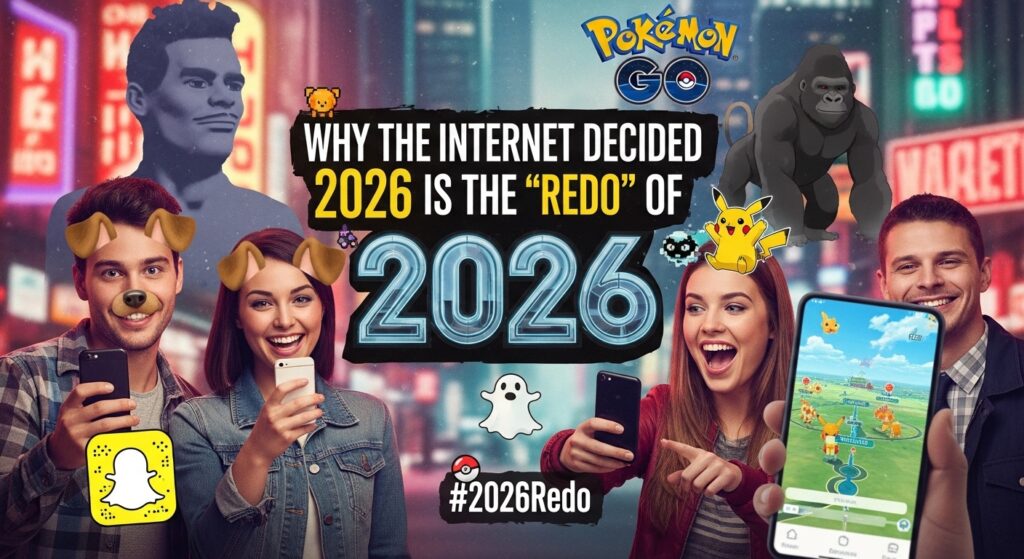
In 2026, Pokémon GO has experienced an unexpected resurgence. Niantic, the game’s developer, has released new features and improvements that have reignited interest in the game. More importantly, a wave of nostalgia for 2016 has driven new and returning players to download the app and participate in the game.
Why the Revival Resonates:
The return of Pokémon GO resonates with players for several reasons. For those who played in 2016, it offers a nostalgic return to a simpler time. For younger players who weren’t around for the original phenomenon, it offers a chance to experience a piece of internet history. Additionally, the game’s emphasis on outdoor activity and social interaction appeals to people seeking alternatives to screen-based entertainment.
The Broader Cultural Context: Why 2026 Feels Like 2016
Beyond Snapchat filters and Pokémon GO, several broader cultural factors contribute to the sense that 2026 is a “redo” of 2016.
Fashion and Aesthetics:
2016 fashion trends have made a comeback in 2026. High-waisted jeans, chokers, and other distinctive fashion elements from 2016 are now trendy again. This fashion revival is part of the broader nostalgia cycle and contributes to the overall sense that 2026 is recreating 2016.
Meme Culture:
2016 memes are being revived and remixed in 2026. Classic memes like “Damn, Daniel,” “Harambe,” and “Mannequin Challenge” are being referenced and recreated. This meme revival demonstrates how internet culture operates in cycles, with old content being recycled and recontextualized for new audiences.
Music and Entertainment:
Artists from 2016 are experiencing renewed popularity in 2026. Drake, The Weeknd, and other artists who dominated 2016 are seeing renewed interest in their music. Additionally, TV shows and movies from 2016 are being rewatched and discussed on social media.
Social Media Behavior:
The way people use social media in 2026 bears similarities to 2016. There’s a renewed emphasis on sharing personal moments, using filters and effects, and participating in viral trends. This contrasts with the more curated and polished social media culture of the early 2020s.
Generational Factors: Why Gen Z is Driving the 2016 Revival
A significant factor in the “2026 is the redo of 2016” phenomenon is generational. Gen Z, who are now young adults, are driving much of the nostalgia for 2016.
Gen Z’s Relationship with 2016:
Gen Z was between 10 and 24 years old in 2016. For many Gen Z members, 2016 represents their introduction to internet culture and social media. It was the year they got their first smartphones, created their first social media accounts, and participated in viral trends.
Nostalgia for Childhood and Adolescence:
As Gen Z has entered adulthood, they’re experiencing nostalgia for their childhood and adolescence. 2016 represents a formative period in their lives, and the cultural phenomena of that year hold particular significance.
Millennial Influence:
Millennials, who were in their 20s and 30s in 2016, are also contributing to the 2016 revival. For millennials, 2016 represents the peak of their engagement with internet culture and social media. The nostalgia for 2016 appeals to millennials as well, creating a cross-generational nostalgia phenomenon.
The Psychology of Nostalgia: Why We Crave the Past
The “2026 is the redo of 2016” phenomenon reveals important psychological truths about nostalgia and how we relate to the past.
Nostalgia as Comfort:
Nostalgia serves a psychological function as a source of comfort and stability. In times of uncertainty or change, people often turn to the past as a source of familiarity and security. The resurgence of 2016 culture in 2026 may reflect a desire for the perceived simplicity and comfort of that era.
Nostalgia and Identity:
Nostalgia is closely tied to identity formation. The cultural phenomena of 2016 played a role in shaping the identities of Gen Z and younger millennials. By engaging with 2016 culture in 2026, these individuals are reconnecting with formative experiences and reaffirming their identities.
Nostalgia and Community:
Sharing nostalgia creates community. When people engage with 2016 culture in 2026, they’re participating in a shared cultural experience with others who remember or are discovering that era. This shared nostalgia creates a sense of belonging and connection.
The Internet’s Role in Accelerating Nostalgia
The internet has fundamentally changed how nostalgia operates, and the 2026 revival of 2016 culture demonstrates this.
Digital Preservation:
The internet preserves cultural artifacts indefinitely. Old Snapchat filters, memes, and videos from 2016 are still accessible online, making it easy for people to revisit and share that content. This digital preservation accelerates the nostalgia cycle.
Algorithm-Driven Recommendations:
Social media algorithms actively promote nostalgic content. When users engage with 2016 content, algorithms recommend similar content, creating a feedback loop that amplifies nostalgia trends.
Viral Potential:
The internet’s ability to rapidly amplify trends means that nostalgia can go viral quickly. A single post referencing 2016 culture can spark a broader trend, leading to widespread adoption of nostalgic content and aesthetics.
What This Reveals About Internet Culture
The “2026 is the redo of 2016” phenomenon reveals important truths about how internet culture operates.
Cyclical Nature of Trends:
Internet culture operates in cycles, with trends and phenomena being revived and recontextualized every 10 years or so. Understanding this cyclical nature helps explain why certain trends resurface periodically.
Generational Markers:
Internet phenomena serve as markers for generational identity. The cultural events and trends of a particular year become associated with the generation that experienced them during formative years.
Collective Memory:
The internet creates a form of collective memory where cultural phenomena are preserved and can be revisited. This collective memory shapes how generations relate to the past and to each other.
Conclusion: The Nostalgia Cycle Continues
The internet’s decision that 2026 is the “redo” of 2016 represents more than just a fun coincidence or a clever observation. It reflects fundamental truths about how nostalgia operates, how generational identity is formed, and how the internet preserves and amplifies cultural phenomena.
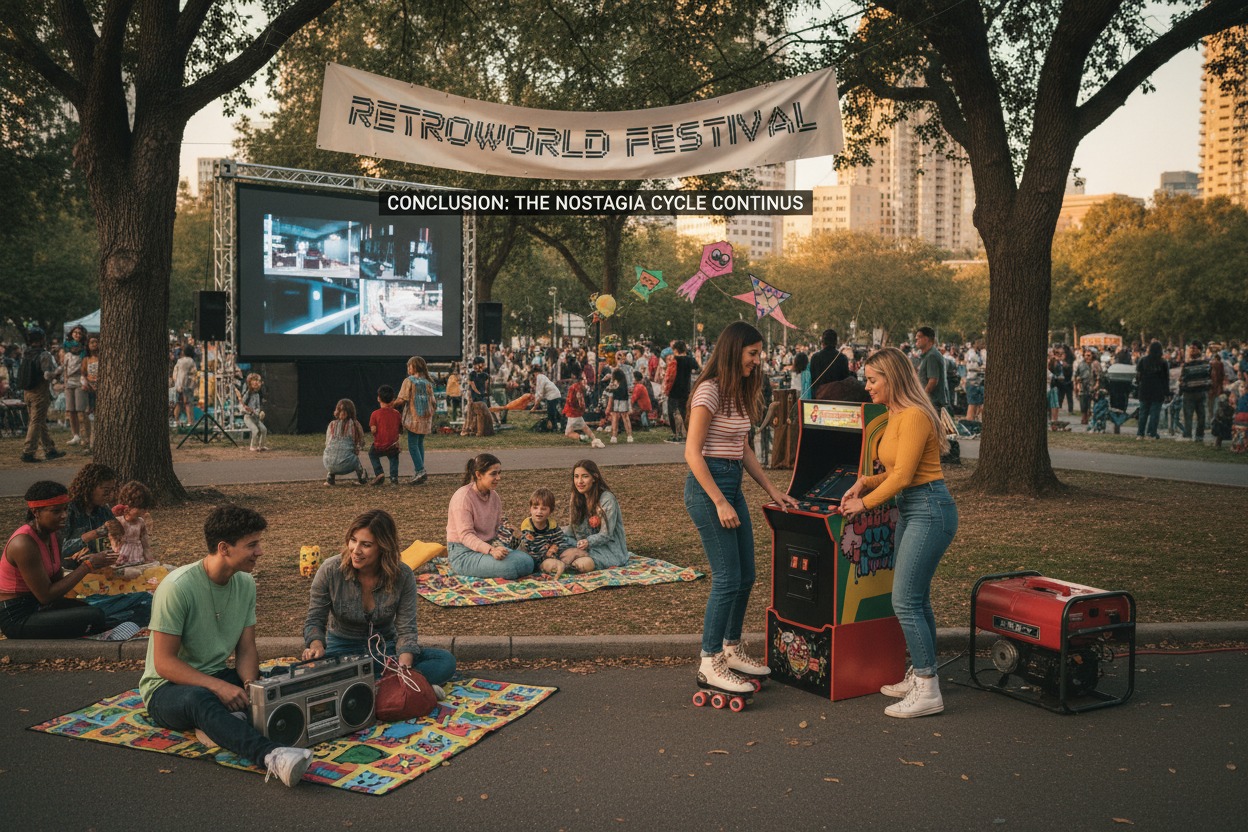
The return of Snapchat filters and Pokémon GO in 2026 serves as a visible manifestation of a broader cultural trend: the revival of 2016 aesthetics, fashion, memes, and social media behavior. This revival is driven by generational nostalgia, the internet’s ability to preserve and amplify trends, and the psychological comfort that nostalgia provides.
As we move forward, we can expect this nostalgia cycle to continue. In 2036, we’ll likely see a revival of 2026 culture, driven by Gen Alpha and younger Gen Z members experiencing nostalgia for their formative years. The internet’s role in accelerating and amplifying this cycle will only grow stronger.
For now, 2026 remains the year of the 2016 redo, a time when Snapchat filters are cool again, Pokémon GO is worth playing, and the internet collectively decided to revisit the cultural phenomena of a decade past.
Quick Reference: 2016 vs. 2026 Cultural Comparison
| Cultural Element | 2016 | 2026 |
|---|---|---|
| Snapchat Filters | Peak popularity | Resurgence and revival |
| Pokémon GO | Launch and phenomenon | Unexpected resurrection |
| Fashion | High-waisted jeans, chokers | Revival of 2016 trends |
| Memes | Harambe, Damn Daniel | Remixes and references |
| Music | Drake, The Weeknd dominant | Renewed popularity |
| Social Media | Selfies and personal sharing | Return to personal content |
| Aesthetic | Bright, filtered, playful | Recreation of 2016 look |
| Generational Focus | Millennials in prime | Gen Z experiencing nostalgia |